A friend recently asked what the New Testament covenant means to me. I told her it feels like God continuing to deal with the world in a fresh way—without scrapping the old way. For me, a big part of that new covenant comes alive in the Sermon on the Mount (Matthew 5–7). It’s not God starting over. It’s deeper. More realistic. A promise sealed in a once-for-all blood sacrifice that reaches even “doomed” outsiders like Gentiles, drawing out surprising fruitfulness.
“Do not think that I have come to abolish the Law or the Prophets; I have not come to abolish them but to fulfill them.” (Matthew 5:17)
The Old Way and the New Way
The Old Covenant was beautiful and holy. It was given to a specific people—Israel—and came with clear expectations of external obedience, along with promised blessings for faithfulness and curses for unfaithfulness. It included the tabernacle and later the temple, the priesthood, and the sacrificial system that pointed forward to something greater. Yet it also exposed how easily our hearts wander and how temporary those animal sacrifices really were—they could cover sin for a time, but they could never fully remove it or transform the inside.
Through the prophet Jeremiah, God promised He would do something new while staying faithful to His character:
“‘The days are coming,’ declares the Lord, ‘when I will make a new covenant with the people of Israel and with the people of Judah. It will not be like the covenant I made with their ancestors when I took them by the hand to lead them out of Egypt, because they broke my covenant, though I was a husband to them,’ declares the Lord. ‘This is the covenant I will make with the people of Israel after that time,’ declares the Lord. ‘I will put my law in their minds and write it on their hearts. I will be their God, and they will be my people. No longer will they teach their neighbor, or say to one another, “Know the Lord,” because they will all know me, from the least of them to the greatest,’ declares the Lord. ‘For I will forgive their wickedness and will remember their sins no more.’” (Jeremiah 31:31-34)
This is where the new covenant shines. Jesus doesn’t scrap the old foundation—He fulfills it. He steps in as the ultimate Son-sacrifice that Abraham’s offering of Isaac had pointed toward long ago. The Mosaic system, with all its types and shadows, was like the moon reflecting light back to us in the night. It was real and preparatory, but it wasn’t the source itself. Jesus is the Sun of Righteousness (Malachi 4:2), rising with healing in His wings (OT & NT). His once-for-all blood sacrifice does what the old repeated offerings could only foreshadow.
The result? A more realistic promise for ordinary, broken people like us. Instead of trying to keep an external checklist perfectly, God writes His ways directly on our hearts through the Holy Spirit. We get to know Him intimately—not just through priests or rituals, but personally, from the least to the greatest. Sins aren’t just covered; they’re forgiven and remembered no more. This is the heart transformation the old way prepared us for but couldn’t fully deliver on its own.
Fulfillment, Not Abandonment: The Ultimate Sacrifice
Jesus fulfills the old without undoing its foundation. The old covenant wasn’t discarded like something worthless; it was completed like a shadow meeting the substance. Abraham’s near-sacrifice of his beloved son signaled what was coming. The Mosaic law in its types served its purpose—like the moon reflecting light—but Jesus Himself is the light.
Gentiles, Jealousy, and a People Like the Son
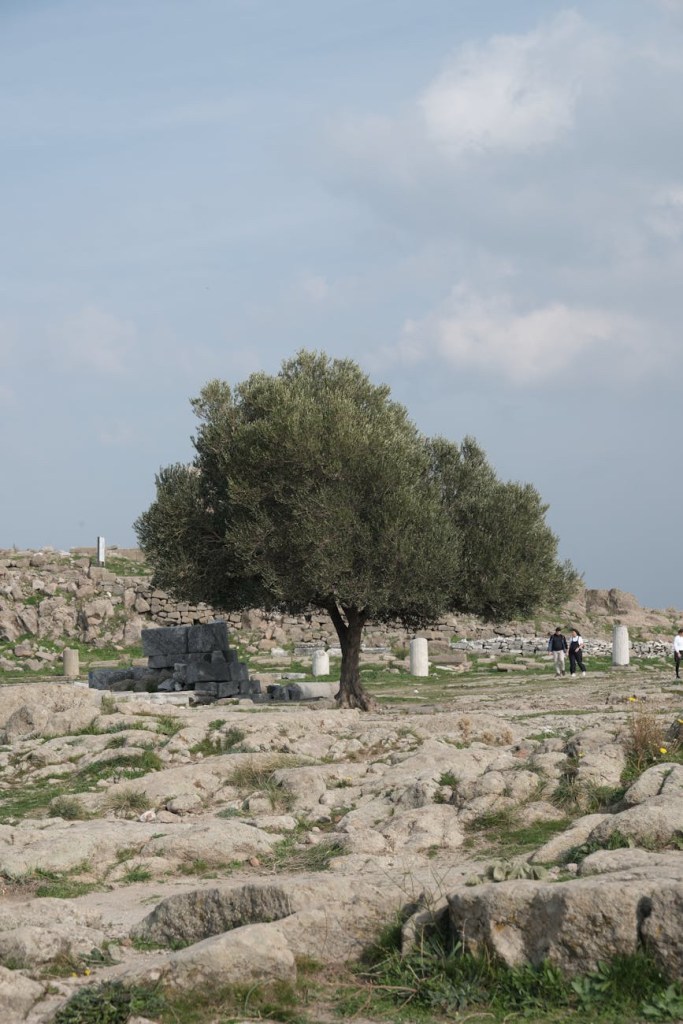
This new covenant reaches those once outside—Gentiles who were “excluded from citizenship in Israel and foreigners to the covenants of the promise, without hope and without God in the world” (Ephesians 2:11-13). Wild olive branches get grafted into the same tree (Romans 11), nourished by the same root of God’s promises.
Historically, many Gentiles responded by actually living out the words of Jesus and His disciples, and in reach they seemed to “exceed.” But the point isn’t replacement or abandonment. Gentiles are meant to provoke Israel to jealousy—not in pride, but by displaying the blessings of knowing the Father through the Son. God is looking for a people who reflect His Son’s character. He even marvels when any of His creation “gets it” through genuine faith. The Jews, trained in the Scriptures from birth, didn’t always recognize the very One who inspired the prophets. Yet Jesus is not doing away with His firstborn nation—He is still waiting on them to recognize Him. The root remains the same. The story isn’t finished.
The Sermon on the Mount: Just the Tip of the Iceberg
The Sermon on the Mount isn’t the entire new covenant unpacked in one sitting—that would have been an exhaustive (and probably overwhelming) day of preaching. It mostly deepens the heart behind the Ten Commandments through those powerful “You have heard it said… but I say to you” moments: anger treated like murder, lust like adultery, and love for enemies as the new baseline. It’s practical, realistic, and livable for ordinary people.
Pentecost then fulfills the Jeremiah promise by pouring out the Holy Spirit on “all flesh,” writing the law on hearts and empowering the ministry. The work has always been to produce bride members—those who die to the flesh so the Holy Spirit can add inward richness, like the fatty portions in the old offerings that represented the best given back to God.
Final Thought
To my friend who is hungry for God’s Word: the new covenant isn’t God changing His mind or abandoning the old way. It’s God going deeper—sealing everything in the blood of His Son and inviting everyone, Jew and Gentile alike, into a transformed life. Start with Matthew 5–7. Read it slowly. Ask the Holy Spirit to write it on your heart. Whether we come from the natural branches or the wild ones, God is forming a people who look like Jesus. There’s honest wrestling room here, and the invitation remains open.
Author’s Notes: These are my personal reflections after thinking through Scripture and a real conversation with a friend. My views often differ at points from traditional orthodox interpretations, and I teach subject to question. I’m comfortable with that. The goal is never to claim “this is the only right way,” but to stir thoughtful engagement with God’s Word. As iron sharpens iron, and as Solomon encouraged, let’s debate our cause without pride. What do you see in these passages? How do the old and new covenants fit together for you? I’d love to hear your thoughts in the comments or by email. My hope is always that we draw closer to the living God who keeps His promises in fresh, surprising, and faithful ways.
 The Audio Missionary
Leave a comment