Exodus 21:22-23 keeps surfacing in debates about the unborn, abortion, and personhood, but its ambiguity feels like God’s nudge to look beyond politics to intent, physical life, and spiritual resurrection. Under the leadership of Bro Lewis Frayer, I learned his sharp take: the fine for a miscarriage (not death penalty) shows the unborn isn’t full “life for life” because true soul life awakens through faith in Jesus—not conception or birth alone. Flesh is cursed to death from the fall; resurrection hope is guarded by righteous parents.
Search my links for his “Sex and Marriage” sermon—hear it in his own words. It’s a niche, Jesus-style cut-to-the-bone truth that challenges mainstream views.
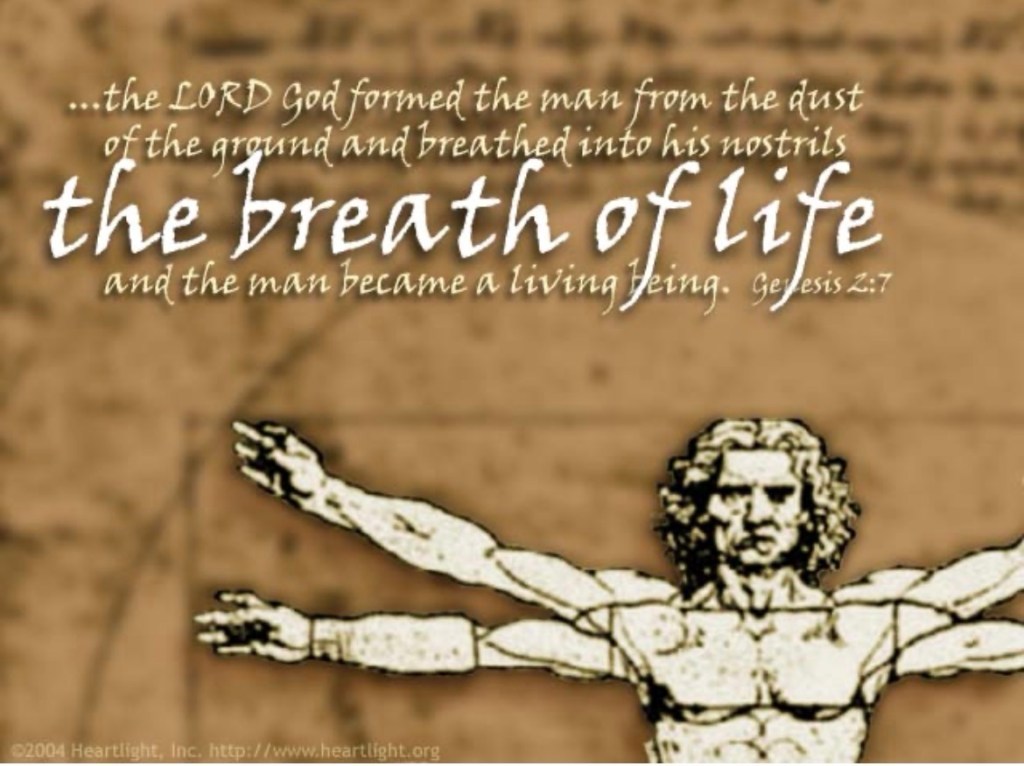
“Then the Lord God formed the man of dust from the ground and breathed into his nostrils the breath of life, and the man became a living soul.”
(Genesis 2:7, ESV)
Unpacking Exodus 21:22-23 – The Text and Interpretations
The ESV keeps it literal: [22] “When men strive together and hit a pregnant woman, so that her children come out (come out dead or alive?), but there is no harm (to woman or child?), the one who hit her shall surely be fined…[23] if there is harm…life for life” (Exodus 21:22-23).
The KJV stays just as open-ended, without pushing it as either “miscarriage” or “premature birth.” Bro Frayer favored the miscarriage reading: accidental fight causes fetal loss → fine only (not capital punishment!) if no fatal harm to the woman. This echoes Genesis 2:7—Adam’s “living soul” comes with God’s breath, often tied to first breath at birth.
Intent and Justice: A Criminal Lens on Mens Rea
From my criminal justice lens, mens rea (guilty mind/intent) is key here. The scenario is accidental—no premeditation, no intent to kill the baby or even seriously harm the mother. It’s negligent harm in a brawl, so “life for life” (v. 23) isn’t proportionate; the Bible scales punishment to intent and outcome. Bro Frayer would say: if the baby dies, no manslaughter or death penalty charges follow since intent wasn’t to purposely kill—mirroring how biblical law treats unintentional homicide (e.g., cities of refuge, Exodus 21:13; Numbers 35) with lesser penalties than murder.
God’s Care from the Womb – Key Scriptures
Scripture affirms God’s care from the womb:
• “You knitted me together in my mother’s womb… I am fearfully and wonderfully made.” (Psalm 139:13-14, ESV)
• “Before I formed you in the womb I knew you…” (Jeremiah 1:5, ESV)
• The unborn leaps in recognition (Luke 1:41)—precious under God’s gaze.
Tensions and the Narrow Way
Bro Frayer’s spiritual emphasis (eternal soul life via Christ, John 3:3) cuts deep like Jesus’ hard truths, but it has tensions: it might downplay womb verses’ intimacy or feel removed from secular pro-life arguments (which stress biological personhood from conception, no spiritual qualifiers). Exodus regulates accidental harm, not intentional acts like abortion, leaving room for debate without forcing dogma.
This verse often comes up in public debates—like when someone tried to use Exodus 21:22-23 to claim the Bible endorses abortion, only for Charlie Kirk to push back hard on life from conception (watch the clip here: CK Debate). It shows how interpretations clash, but my focus stays on valuing life from the womb while centering spiritual rebirth in Christ.
Final Thought: Pro-Life Conviction in Christ
All this points back to the breath metaphors we’ve been exploring: at conception, God begins forming a unique human life in the womb (Psalm 139:13–16; Jeremiah 1:5), knitting together body and potential. That life is fully alive and precious from the moment of conception and deserves our protection. Physical life then awakens as a breathing “living soul” at birth (Genesis 2:7).
I’m solidly pro-life from conception onward, and I respect people’s choices even when they differ. Bro Frayer wouldn’t have been as harsh as Charlie Kirk on this. He truly believed he was aligned with the Bible—if God didn’t treat the loss of the unborn as murder in Exodus 21, then neither should we. My pushback is that was a rule for that ancient time and place. Today we have science showing unique DNA and a beating heart at conception, and we want to honor pro-life values because every person deserves a chance at salvation—the ultimate life.
I’ll never forget hearing my own child’s heartbeat for the first time—that tiny, strong rhythm melted my heart. My newlywed wife was scared to have a child with me, yet she stayed pro-life. God answered my prayers is all I can say. Our little “jelly bean” was doing somersaults in the womb, and it instantly reminded me of John the Baptist leaping with the Holy Ghost even before birth (Luke 1:41). That one heartbeat can change everything.
Exodus 21 highlights intent—accidents get fines, not full “life for life”—inviting us to value every stage while centering our hope on spiritual rebirth in Christ. That same conviction pushes back against end-times fears that lead to vasectomies or avoiding children; God commands us to “be fruitful and multiply” (Genesis 1:28), blessing families even amid trials. Hardships come, but faith multiplies life and souls for resurrection hope in Christ.
SoundCloudhttps://soundcloud.com/audiomissionaryministries/sex_and_marriage
Author’s Note: If you’re fearing the future or questioning family, turn to Jesus today—be baptized, be born again. What’s holding you back from fruitfulness? Comment below, share your story, or pray with someone this week.
 The Audio Missionary